

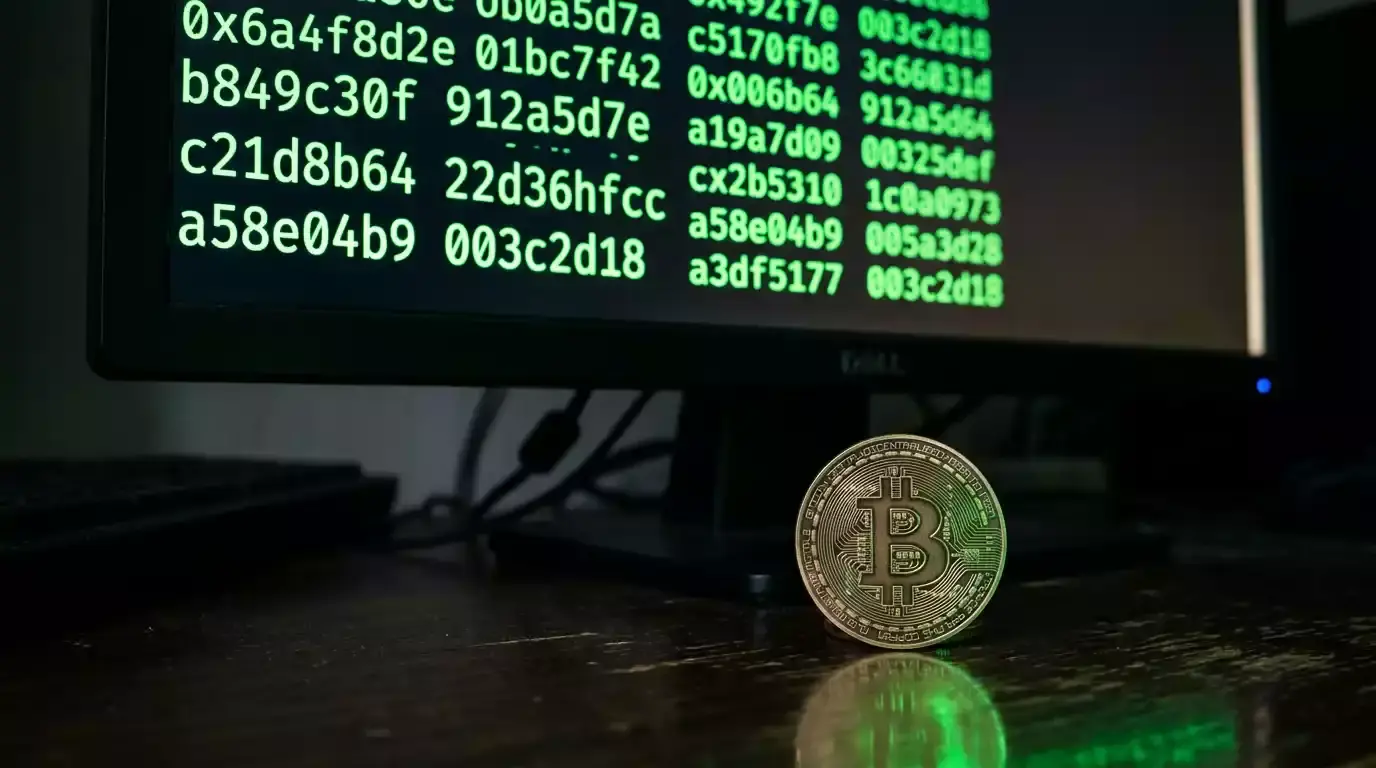
Establishing Trust via Provably Fair Code
After years of depositing at crypto sportsbooks that operate in jurisdictions I’d struggle to locate on a map, the question that kept nagging me was simple: how do I know the odds are fair? Not fair in the subjective sense of whether -3.5 is the right spread for a game, but fair in the mechanical sense — is the sportsbook’s software actually paying out according to the stated odds, or is there a thumb on the scale somewhere I can’t see?
That question led me to provably fair systems, which represent one of the most genuinely innovative applications of blockchain technology to gambling. Active blockchain gamers have grown to 102 million worldwide — a 72% year-on-year increase — and a portion of that growth is attributable to platforms that offer mathematical verification of their game outcomes. Global crypto gambling revenue hit $81.4 billion in 2024, and provably fair mechanisms offer bettors a way to trust that enormous flow of money without relying solely on a regulator’s oversight.
The concept is elegant: instead of trusting the sportsbook to be honest, you verify it yourself using cryptographic proofs published on the blockchain. If the maths checks out, the outcome was fair. If it doesn’t, you have evidence of manipulation. No regulator, no audit report, no trust — just code.
How Provably Fair Verification Works for NFL Bets
Provably fair systems originated in crypto casino games — dice, slots, card games — where the platform generates the outcome. The mechanics work like this: before a game round begins, the platform generates a server seed (a random number) and publishes a hashed version of it. You can see the hash but not the seed itself. After the round, the platform reveals the actual seed. You hash it yourself and compare — if the hashes match, the seed wasn’t changed after your bet was placed, which means the outcome was predetermined and unmanipulable.
Applying this to NFL betting is conceptually different, because the sportsbook doesn’t generate the game’s outcome — the NFL teams do. The spread, the total score, the player statistics are all determined by a real-world sporting event that no sportsbook controls. So what does “provably fair” mean for sports betting?
In the NFL context, provably fair typically applies to two areas. First, the randomisation elements within the platform — bet selection for promotional purposes, random bonus distributions, or any game-of-chance feature alongside the sportsbook. Second, and more importantly, the settlement logic. A provably fair sportsbook publishes the rules by which bets are settled (spread covers, total goes over/under, player prop exceeds threshold) and uses on-chain data feeds — oracles — to determine outcomes. The entire settlement chain from data source to payout can be audited on the blockchain.
Smart-contract sportsbooks take this further. When you place a bet on a smart-contract platform, the wager itself is encoded in blockchain code. The contract specifies: if the game result meets condition X, pay wallet A; if not, pay wallet B. When the oracle confirms the NFL game result, the contract executes automatically. No human intervention, no manual settlement, no possibility of the sportsbook “forgetting” to credit your win or disputing the outcome. Your bet and its resolution exist entirely in auditable code.
The verification process for bettors is straightforward on platforms that implement it properly. After your bet settles, you receive a transaction hash that links to the blockchain record. You can view the oracle data that determined the outcome, the smart contract logic that processed the settlement, and the payment transaction that delivered your winnings. Every step is verifiable by anyone with the transaction hash — not just you, but any independent observer.
Limitations: What Provably Fair Can and Can’t Guarantee
Provably fair is powerful but not omnipotent, and I think it’s important to be honest about its boundaries. Regulatory expert Tom Elliot noted that crypto introduces new fraud and AML considerations, but “new doesn’t automatically mean higher” risk, and crypto can actually support “a more robust control environment than fiat payments” in certain respects. That observation applies directly to provably fair: the verification framework can be stronger than traditional audit-based oversight, but it doesn’t cover everything.
Oracle manipulation is the primary vulnerability. If the data feed that confirms NFL game results is compromised, the smart contract settles based on incorrect information. Reputable platforms use decentralised oracle networks — multiple independent data sources that must reach consensus before triggering settlement. But smaller platforms might rely on a single oracle, which creates a single point of failure. Before trusting a provably fair system, verify what oracle infrastructure it uses and whether that infrastructure has a track record of reliability.
Provably fair also doesn’t guarantee the sportsbook’s solvency. A platform can settle every bet fairly according to its coded rules and still run out of funds to pay winners. The verification proves the logic was correct; it doesn’t prove the treasury is adequate. For that assurance, you need proof of reserves — a separate but complementary transparency measure that sportsbook security evaluation should include alongside provably fair verification.
The biggest practical limitation for NFL bettors in 2026 is coverage. Provably fair and smart-contract sportsbooks remain niche within the broader crypto betting market. Their NFL market depth — the range of spreads, props, futures, and live markets available — is substantially thinner than what centralised crypto sportsbooks offer. If you want 400 prop markets for the Super Bowl, you’ll be at a centralised platform. If you want mathematical proof that your spread bet was settled correctly, you’ll be at a provably fair platform. The market hasn’t yet produced a platform that delivers both at scale, though that convergence is the direction the technology is moving.
